X 归档 2019-09-11

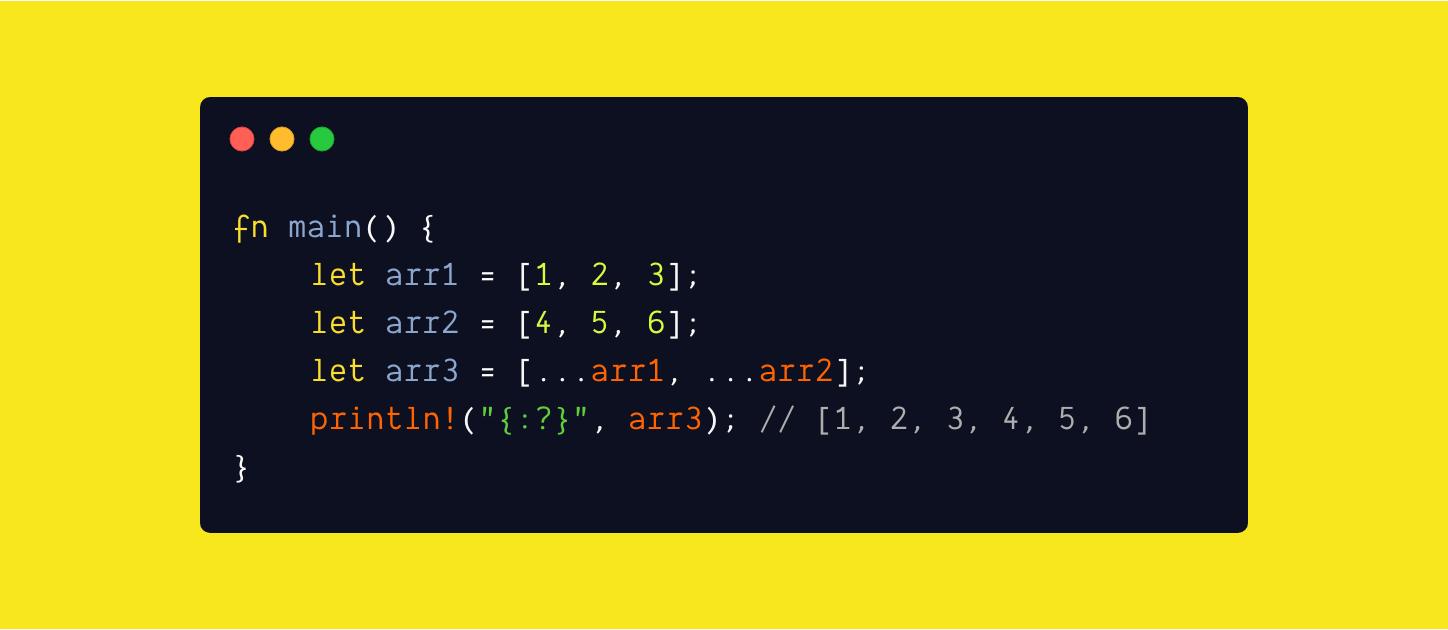
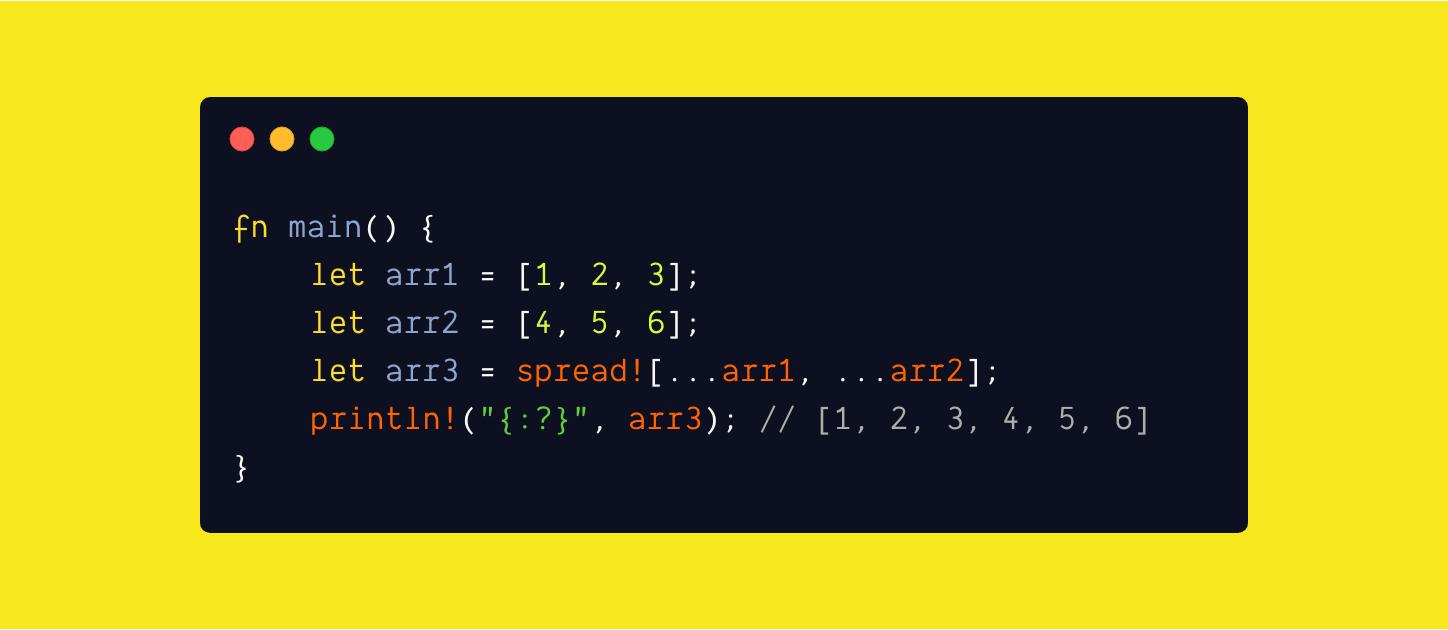
I was working with javascript recently and I love how the spread syntax works when you need to combine two arrays, and I wish if we had that in @rustlang (p1)
And with some macro magic 🧙♂️✨, I made this 😃 (p2): https://play.rust-lang.org/?version=stable&mode=debug&edition=2018&gist=6f4c30352308d499d607ade55990ef2d
And with some macro magic 🧙♂️✨, I made this 😃 (p2): https://play.rust-lang.org/?version=stable&mode=debug&edition=2018&gist=6f4c30352308d499d607ade55990ef2d
最近在写 JavaScript,我超喜欢展开语法在合并两个数组时的表现,真希望 @rustlang 也有这东西(p1)
然后配合一点宏魔法 🧙♂️✨,我做出了这个 😃(p2):https://play.rust-lang.org/?version=stable&mode=debug&edition=2018&gist=6f4c30352308d499d607ade55990ef2d
然后配合一点宏魔法 🧙♂️✨,我做出了这个 😃(p2):https://play.rust-lang.org/?version=stable&mode=debug&edition=2018&gist=6f4c30352308d499d607ade55990ef2d

Nice break on the TL: blue sheep doing the impossible, per usual, in the Valley of the Cats, China.
时间线上不错的调剂:在中国“猫谷”(Valley of the Cats),岩羊一如既往地上演着不可能的操作。

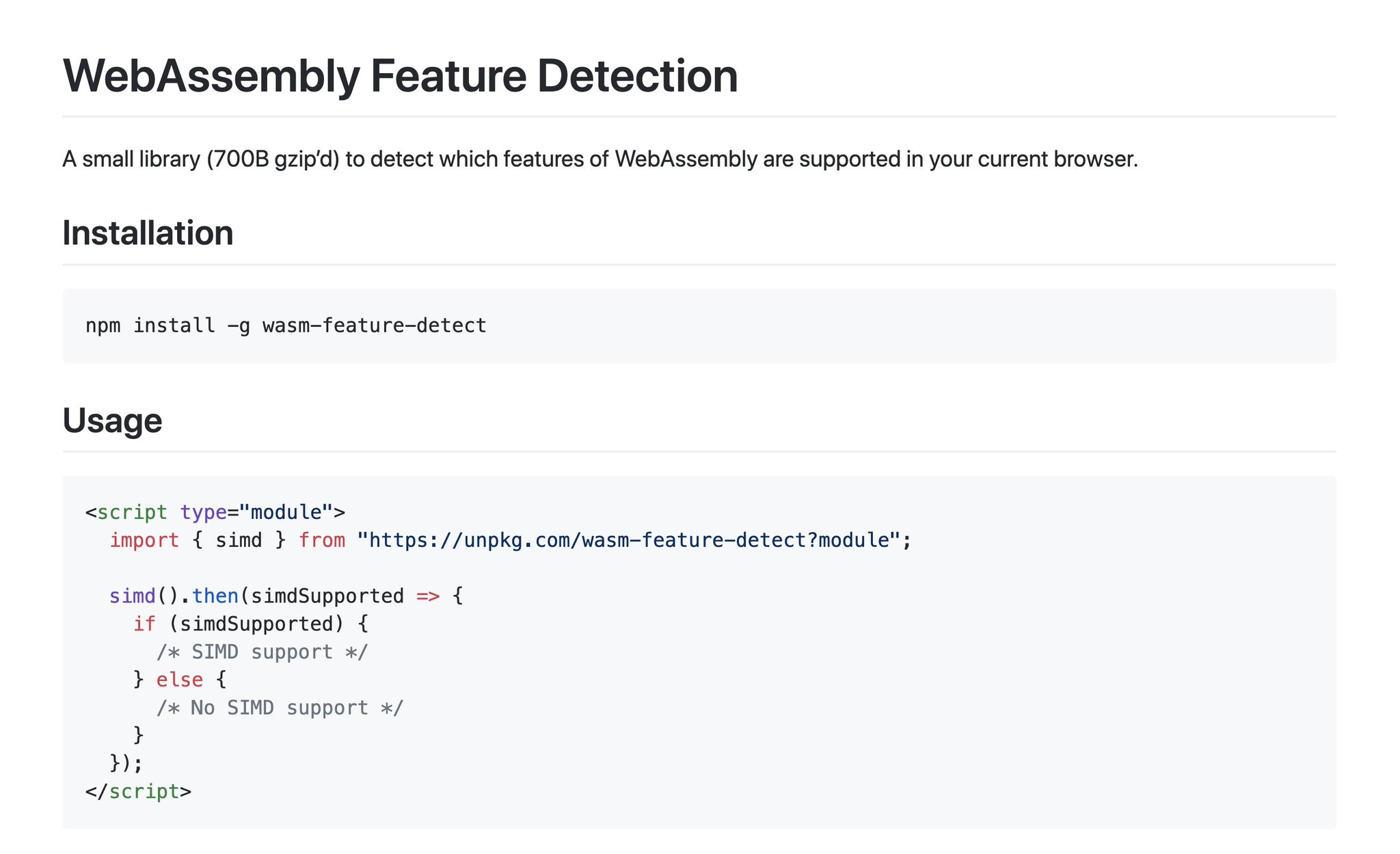
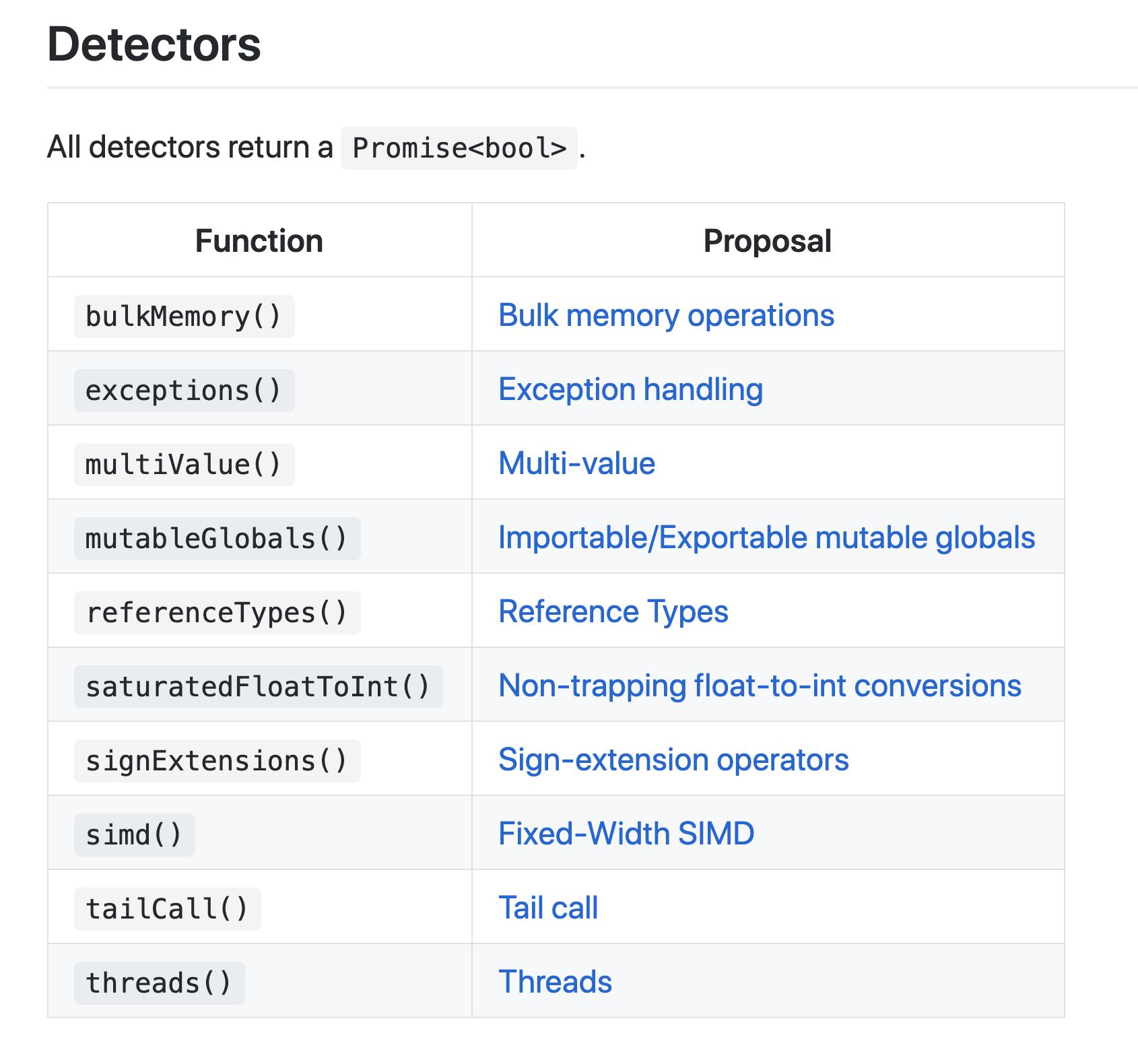
WebAssembly runtimes (e.g. browsers) are slightly diverging in which features they support.
So here’s 🎉wasm-feature-detect🎉— think modernizr, but for Wasm.
➡️Detectors for various WebAssembly proposals
➡️Tiny (~600B)
➡️Easy to augment and contribute
https://npm.im/wasm-feature-detect
So here’s 🎉wasm-feature-detect🎉— think modernizr, but for Wasm.
➡️Detectors for various WebAssembly proposals
➡️Tiny (~600B)
➡️Easy to augment and contribute
https://npm.im/wasm-feature-detect
各 WebAssembly 运行时(比如浏览器)支持的特性略有出入。
于是就有了 🎉wasm-feature-detect🎉——可以理解为 Wasm 界的 modernizr。
➡️覆盖各种 WebAssembly 提案的检测器
➡️超小(~600B)
➡️易于扩充和贡献
于是就有了 🎉wasm-feature-detect🎉——可以理解为 Wasm 界的 modernizr。
➡️覆盖各种 WebAssembly 提案的检测器
➡️超小(~600B)
➡️易于扩充和贡献